

The utilities sector is on the cusp of transformation, as technology drives cleaner energy, intelligent systems and stronger customer engagement. Smarter platforms now occupy the center of energy and water infrastructures, offering providers with improved monitoring, enhanced reliability and the ability to plan for expansion with assurance. The process, which was once marred with periodic checks and manual reporting, is steadily giving way to tools that keep services steady and communities supported, even as demand continues to rise.
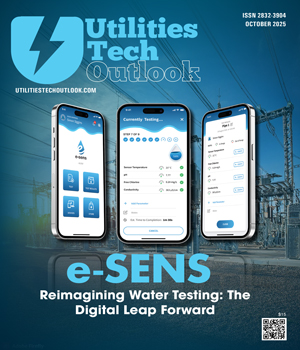
Water field data collection tools show how this change is taking shape in daily operations. Rather than deploying field teams to take time-consuming readings, utilities now use digital systems that record and report information in real-time from source points. Flow rates, usage levels and incipient indications of leakage are available quickly and accurately, saving time and enabling staff to concentrate on corrective action instead of taking routine measurements. The result is greater efficiency in how water systems are managed and a stronger foundation for decisions that balance service delivery with environmental care.
Disturbance monitoring is making a similar impact in power management. Grids are constantly tested by weather events, fluctuating demand and equipment fatigue, and operators need a way to see those shifts as they happen. Monitoring tools highlight unusual activity, trace causes and provide data that supports faster responses. By keeping a closer watch on these signals, utilities can maintain stability, limit downtime and protect assets from avoidable strain, all of which contribute to more dependable service for customers.
In this edition of the Utilities Tech Outlook, we explore the recent developments in water field data collection tools and disturbance monitoring that are redefining how utilities operate and deliver value.
We hope this edition of the Utilities Tech Outlook helps you find the right partner for your business requirements.